Snoring vs. Sleep Apnea: How to Tell the Difference
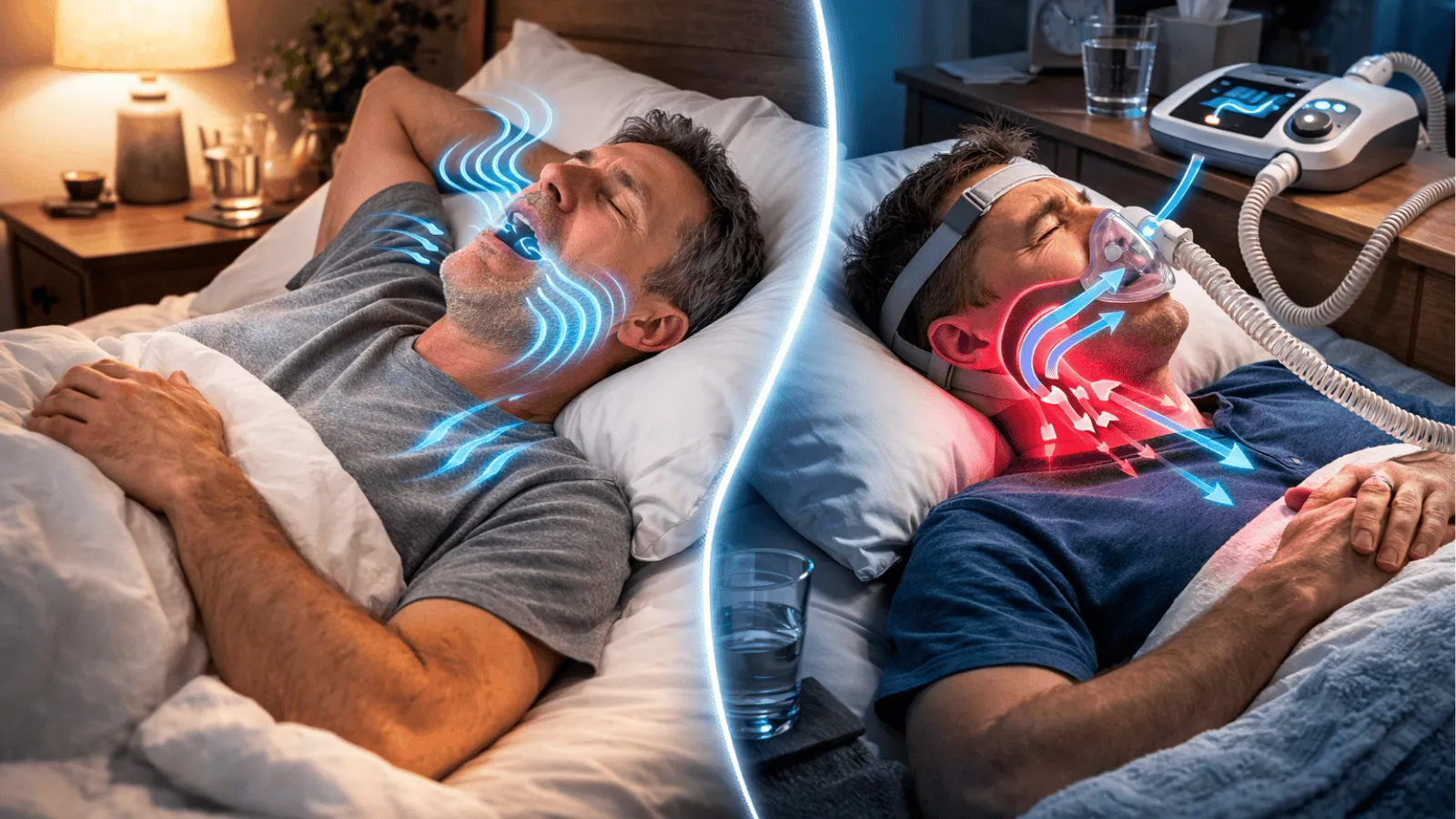
If you have ever slept next to someone who snores, you already know how loud nights can get. Sometimes it’s just an annoying sound. But sometimes it’s something deeper. Something that quietly affects your sleep and your health. We have had so many people ask, “How do we know if it’s just snoring or something more serious like sleep apnea?” The signs overlap. The noise is confusing. And the internet? Well, it throws medical terms at you until your head spins. In this blog, we will break down the key differences, the warning signs, and the simple ways you can tell what’s going on without turning it into a medical lecture.
What Separates Snoring from Sleep Apnea
Snoring is just noisy breathing during sleep. Sleep apnea is when you actually stop breathing for short moments. One is annoying. The other is dangerous.
Snoring usually keeps other people awake. Sleep apnea keeps your whole body awake. Even when you think you are sleeping deeply.
Snoring is like the sound of air squeezing through a narrow space. Sleep apnea is your airway closing completely for a few seconds, over and over.
That’s why people get confused. The signs fade into each other. But once you understand how the airway behaves in both conditions, everything starts to make sense.
What Snoring Really Means
Snoring happens when air can’t move smoothly through your throat and nose while you sleep. The tissues vibrate, and voilà, that wonderful nighttime soundtrack.
Most of the time, it’s harmless. We see it in people who are tired, who sleep on their backs, who have allergies, or who just snore. No big story behind it.
Snoring usually looks like this:
- You sleep through the night without waking up gasping.
- You feel okay in the morning.
- Your partner hears the noise more than you feel anything.
Snoring can sometimes be the first little clue that something else is going on. Not always, but sometimes.
What Sleep Apnea Means
Sleep apnea is a sleep disorder where your breathing literally stops multiple times per night. Not slow down. Not get noisy.
Your brain panics for a second, wakes the body just enough to reopen the airway, and then you fall back asleep without even realizing it. This cycle repeats. Sometimes 10 times, sometimes 50, sometimes more than 100 in one night. And you wake up feeling like someone unplugged your energy from the inside.
Typical signs look like this:
- Loud snoring that suddenly goes silent
- Choking, gasping, or snorting awake
- Morning headaches
- Daytime sleepiness
- Irritability
- Dry mouth in the morning
How to Tell What’s Really Happening
One of the easiest clues comes from someone who sleeps near you. They usually know if you stop breathing, choke, or make those sudden gasping sounds. That alone is a pretty big red flag.
Another hint is how you feel during the day. Snoring doesn’t usually drain your energy, but sleep apnea does. If you are getting 8–9 hours in bed and still waking up tired, something isn’t adding up.
Morning symptoms tell a story, too. Headaches, dry mouth, and that foggy, heavy-brain feeling lean more toward apnea than regular snoring.
The most accurate check is a sleep test. Many are done right at home with small devices. If it turns out to be apnea, the good news is that it’s very treatable once you actually know what’s going on.
Why It Matters
People often say, “Oh, I have snored for years. It’s nothing.” But if it’s sleep apnea, ignoring it can affect your heart, blood pressure, mood, and even memory. Your body needs deep, steady sleep to stay healthy, and apnea keeps breaking that rhythm without you realizing it.
Life feels completely different once your breathing and sleep are handled properly. Many people tell us they suddenly feel sharper, calmer, and more awake in their own skin.
Both Are Treatable
Snoring can be fixed with simple steps:
- Sleeping on your side
- Avoiding alcohol at night
- Losing a bit of weight
- Using nasal strips
- Managing allergies
Sleep apnea has proven treatments:
- CPAP machines
- Oral appliances
- Weight management
- Surgery in some cases
Lots of people prefer oral appliances because they are quiet, comfortable, and easy to use.
Men with moderate to severe sleep apnea face almost three times the risk of having a stroke compared to men who have no sleep apnea or only mild symptoms.
End Note
Snoring is mostly a noise problem. Sleep apnea is a health problem. One just annoys your partner. The other quietly affects your heart, energy, and long-term well-being. And once you learn the difference, it becomes easier to understand your own sleep patterns. If you are in Winter Garden (FL) and you are wondering whether your snoring or breathing issues need a closer look, Artful Orthodontics can help. We help people figure out what’s really going on, guide you through the right steps, and if needed, create comfortable oral appliances that make sleep easier and safer. You don’t have to keep guessing we are here to help you breathe easier.
FAQs
Can kids have sleep apnea even if they don’t snore?
Yes. Kids may show other signs like mouth breathing, learning difficulties, restless sleep, or bed-wetting. Snoring isn’t the only indicator.
Does sleep apnea always require a CPAP machine?
No. Many mild to moderate cases can be treated with oral appliances that reposition the jaw and keep the airway open.
Can snoring turn into sleep apnea over time?
It can. Not always, but weight gain, age, and airway changes can shift simple snoring into obstructive sleep apnea.